
Introduction to Automated Electroplating Equipment
In the evolving landscape of industrial manufacturing, automated electroplating systems represent a significant leap forward from traditional manual and semi-automated processes. These advanced systems integrate robotics, precision control mechanisms, and sophisticated software to create a seamless, efficient, and highly consistent plating operation. Automated plating lines are transforming how industries apply metallic coatings—from automotive components and aerospace parts to electronics and jewelry—ensuring superior quality while dramatically reducing operational costs and environmental impact.
Unmatched Consistency and Quality Control
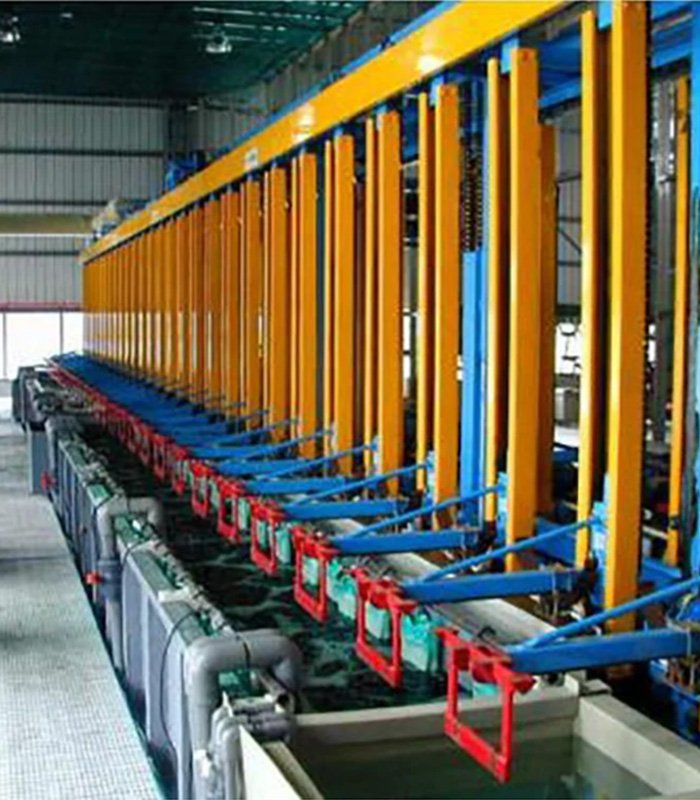
Precision Process Repetition
Automated electroplating systems eliminate the human variability inherent in manual operations. Every component receives identical treatment in terms of immersion time, solution agitation, current density, and positioning. This repeatability ensures that batch after batch meets exact specifications, critical for industries with stringent quality requirements like medical device manufacturing or aerospace engineering.
Real-Time Monitoring and Adjustment
Modern systems are equipped with sensors that continuously monitor critical parameters: pH levels, temperature, chemical concentration, and voltage. The control software automatically makes micro-adjustments to maintain optimal plating conditions, preventing defects before they occur. This proactive approach reduces reject rates by up to 90% compared to manual operations.
Enhanced Production Efficiency and Throughput
Continuous Operation Capability
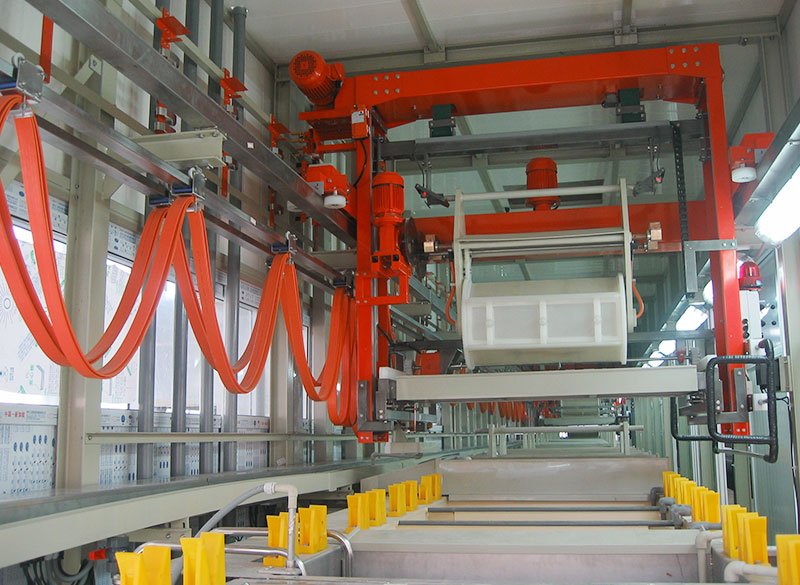
Unlike manual lines that require shift changes and breaks, automated plating systems can operate 24/7 with minimal supervision. This continuous production significantly increases throughput—often doubling or tripling output without expanding floor space. Advanced systems feature sophisticated racking and fixturing that maximize tank capacity while ensuring even current distribution.
Reduced Cycle Times
Automated material handling between processing stages occurs in seconds rather than minutes. Optimized transfer sequences, simultaneous processing in multiple tanks, and reduced loading/unloading times collectively compress overall cycle times. Some systems incorporate parallel processing lanes, allowing different components to be plated simultaneously using customized programs.
Significant Operational Cost Reduction
Chemical and Material Savings
Automated dosing systems introduce precisely measured amounts of chemicals only when needed, based on real-time analyte measurements. This minimizes waste of expensive metals and specialty chemicals. Additionally, improved racking designs and optimized current distribution increase material utilization efficiency, reducing metal consumption by 15-25%.
Labor Optimization
While the initial investment is substantial, automated systems dramatically reduce long-term labor costs. One operator can typically manage what previously required multiple technicians. The reallocation of human resources to monitoring, programming, and maintenance roles increases overall operational intelligence while reducing repetitive strain injuries associated with manual plating.
Advanced Safety and Environmental Compliance
Enclosed Processing Environments
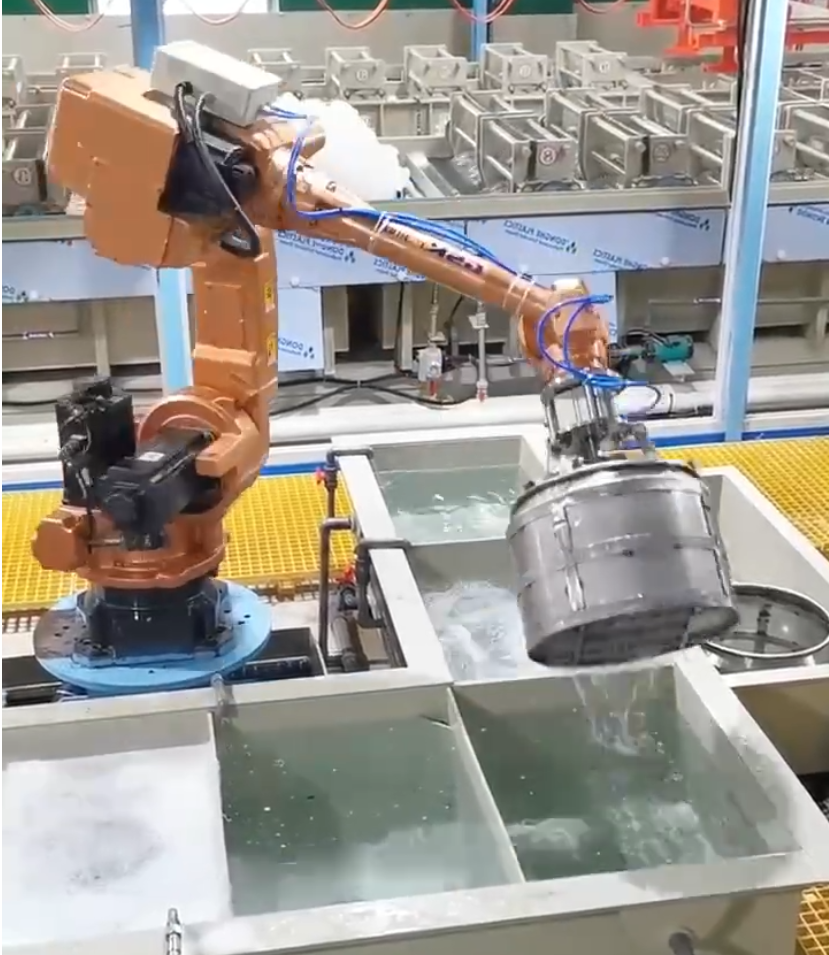
Modern automated lines feature enclosed tanks and vapor management systems that contain mists and fumes, significantly improving workplace air quality. Automated handling reduces direct employee exposure to chemicals, aligning with increasingly stringent occupational health regulations worldwide.

Hi, this is a comment.
To get started with moderating, editing, and deleting comments, please visit the Comments screen in the dashboard.
Commenter avatars come from Gravatar.
Hello