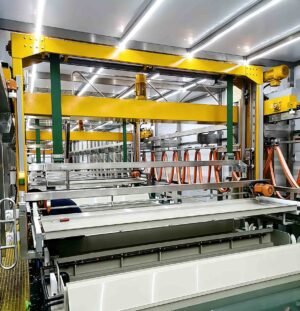
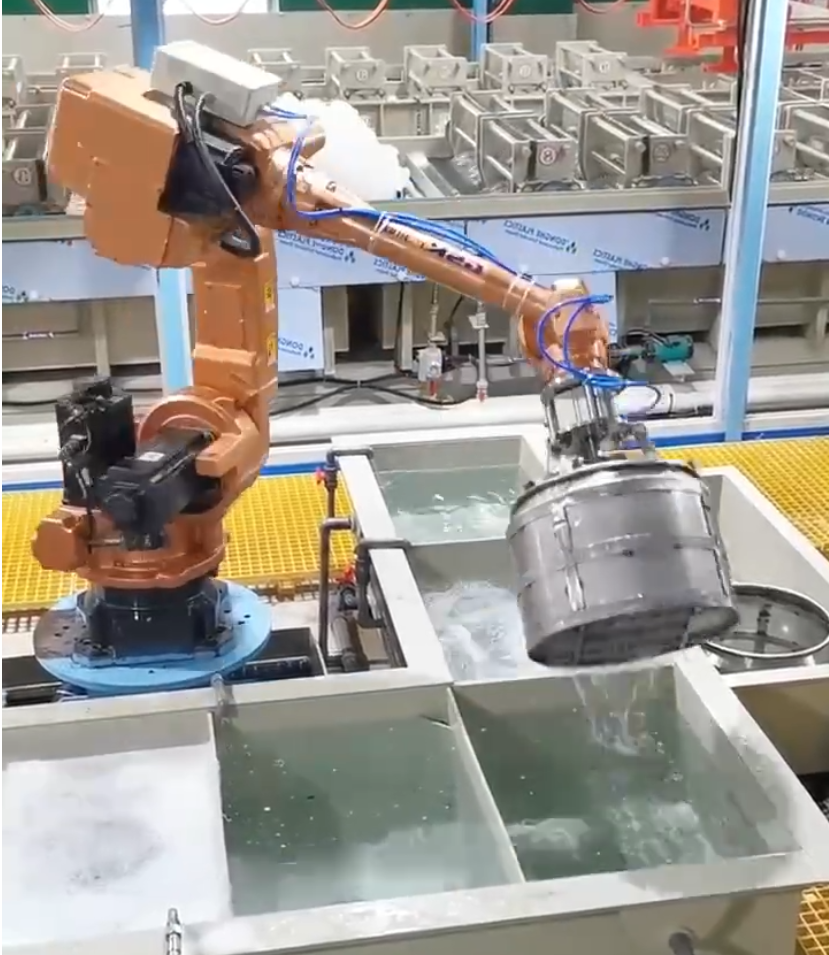
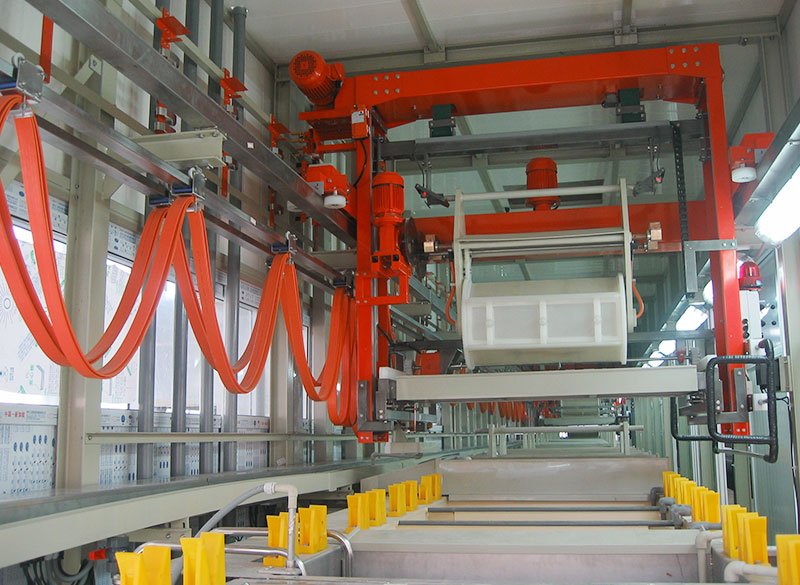
Introduction to Manual Plating Equipment
In the high-tech landscape of modern manufacturing, the manual electroplating line remains an indispensable and foundational technology. It is the proving ground for craftsmanship, offering unparalleled flexibility and direct process control. A manual plating line consists of a sequential series of processing tanks—for cleaning, plating, rinsing, and finishing—where an operator physically transfers parts between each station. This hands-on approach is far from outdated; it is the strategic choice for custom work, prototypes, low-volume production, and specialized applications where adaptability is more critical than sheer speed.
The Defining Advantages of Manual Operation
Ultimate Process Flexibility
The greatest strength of a manual line is its ability to adapt on the fly. An operator can process a diverse mix of part sizes, geometries, and materials in a single day. Switching from a nickel plating process for steel components to a gold plating process for electronic contacts requires only a change in chemistry and racking—not complex reprogramming. This makes it ideal for job shops and businesses handling custom orders.
Lower Initial Investment
Setting up a manual plating line requires significantly lower capital expenditure than an automated system. Without the need for programmable robotics, advanced sensors, and complex software, the barrier to entry is much lower. This allows small to medium-sized enterprises to establish high-quality plating capabilities and achieve a faster return on investment for low-volume or varied production.
Direct Skill-Based Control
In a manual line, the operator is the control system. A skilled technician can visually inspect parts at each stage, make real-time adjustments to immersion times or agitation, and handle delicate or unusually shaped parts with a level of care that automated systems may not replicate. This fosters deep, practical knowledge of the electroplating process and allows for immediate troubleshooting.
Key Components of a Manual Plating Line
The Tank Sequence
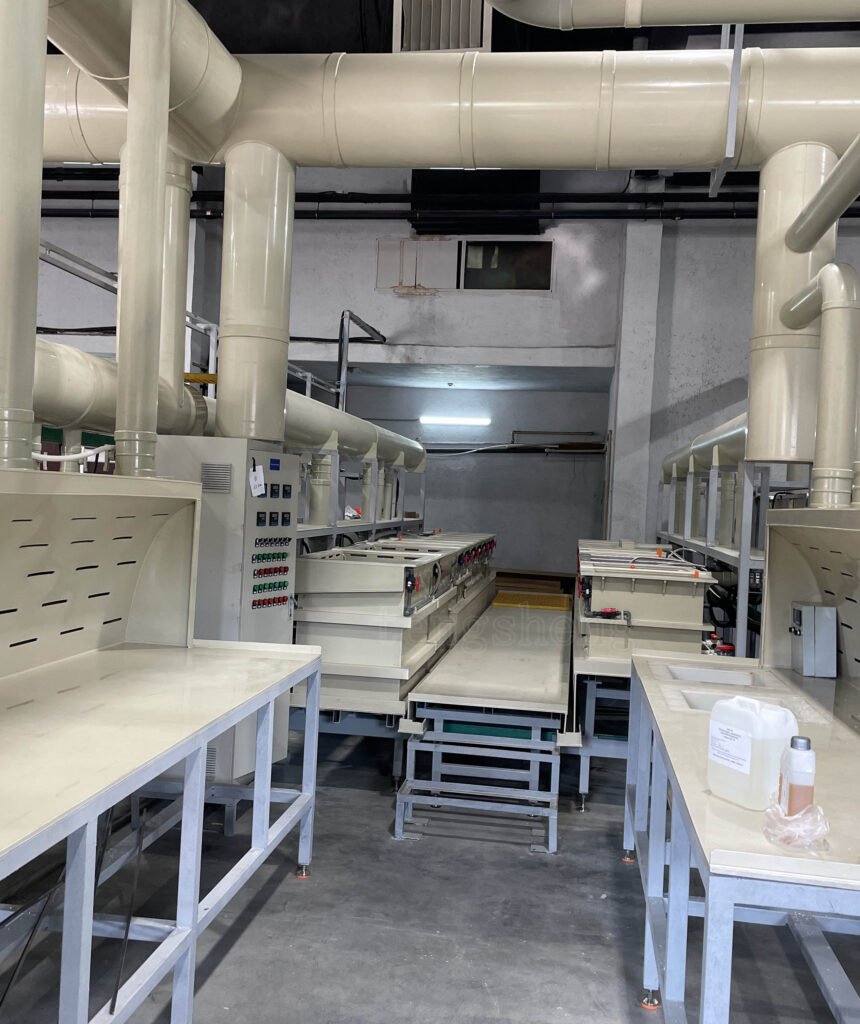
A standard setup includes:
- Cleaning Stations: Degreasing, acid pickling, and electrocleaning tanks to prepare the substrate.
- Rinse Tanks: Critical for removing contaminants between steps.
- Plating Baths: The core tanks containing the specific electrolyte solutions (e.g., zinc, copper, nickel, chrome).
- Post-Treatment Tanks: For passivation, chromating, or sealing to enhance properties.
- Drying Station: Utilizing hot air or centrifugal dryers.
The Racking System
Parts are mounted on custom or standard racks with conductive hooks. Proper racking is essential to ensure good electrical contact, uniform current distribution, and minimal solution drag-out—a skill perfected by experienced operators.
Core Support Equipment
- Rectifier: Provides the direct current (DC) needed for plating, with settings manually controlled.
- Fume Extraction: Essential for operator safety and environmental control.
- Filtration & Heating: Basic systems to maintain bath health and temperature.
Ideal Applications for Manual Plating Systems
Manual lines excel in environments where flexibility trumps high-volume repetition:
- Custom Job Shops and Prototyping: Perfect for R&D, one-off projects, and small batches with varying requirements.
- Specialized Decorative Work: Such as plating architectural features, artwork, or antique restoration.
- Repair and Overhaul Operations: For recoating individual large or valuable components.
- Low-Volume Manufacturing: Where production runs are numbered in the hundreds rather than tens of thousands.
Operational Considerations and Best Practices
Emphasizing Consistency and Quality
While manual, consistency is achieved through standardized procedures and skilled operators. Implementing clear work instructions, process checklists, and regular training is key to maintaining high-quality outputs.
Safety and Environmental Management
Operator safety is paramount. Proper PPE (gloves, goggles, aprons), effective ventilation, and disciplined chemical handling are non-negotiable. Environmental compliance relies on disciplined rinse water management, proper chemical storage, and responsible waste disposal.
Managing Limitations
It’s important to acknowledge the constraints of a manual line: lower throughput, higher physical labor demands, and a greater reliance on individual operator skill. These factors make it less suitable for mass production of identical parts.
Conclusion: The Strategic Value of the Manual Line
The manual electroplating line is a powerful and strategic tool in the metal finishing arsenal. It represents the perfect synergy of human expertise and fundamental electrochemical principles. For businesses that prioritize adaptability, offer custom services, or operate on a smaller scale, the manual line provides a cost-effective and highly controlled path to exceptional plating results. It proves that in the right hands, direct control and deep process understanding continue to deliver unmatched value for specialized applications. In a world moving towards automation, the manual line stands as a testament to the enduring importance of craftsmanship and flexibility.